There's a science to finding deals in stores. Not the kind you read about in a generic savings blog - I'm talking about the actual systems that retailers use to mark things down, the specific spots in the store where clearance hides, and the exact times of day when you get first pick.
I've spent years refining this. I visit Target, Walmart, Sephora, and local stores multiple times a week, and I consistently walk out with things at 50-90% off that other shoppers walked right past. Here's everything I know.
The Best Days of the Week
Tuesday: The Deal Hunter's Day
Tuesday is the most important day of the week for in-store shopping. Here's why:
Target runs their weekly ad cycle from Sunday to Saturday, but clearance markdowns happen Monday night into Tuesday morning. By Tuesday at 9 AM, the markdown team has processed new prices but the store isn't busy yet. You get first pick of fresh markdowns.
Walmart follows a similar pattern - their markdown team typically processes on Monday nights and Tuesday mornings. Rollbacks and clearance updates hit the floor on Tuesday.
CVS and Walgreens start their new weekly sale on Sunday, but clearance markdowns happen mid-week. Tuesday and Wednesday are when you'll find new red-stickered items.
Wednesday: The Second Chance
If you can't make Tuesday, Wednesday is your next best option. Most markdowns have been fully processed, the shelves are stocked, and the store is still relatively quiet. Wednesday is also when many grocery stores start their weekly sales.
Days to Avoid
Saturday afternoon is the worst time to deal-hunt. Stores are crowded, clearance sections are picked over from the week, and there's nothing new to find. Save your weekends for planned purchases, not deal discovery.
The Best Times of Day
Early Morning (8-10 AM): First Pick
This is when I do most of my deal hunting. The overnight and early morning teams have finished restocking and processing markdowns. The clearance racks are freshly organized. And you have the aisles to yourself.
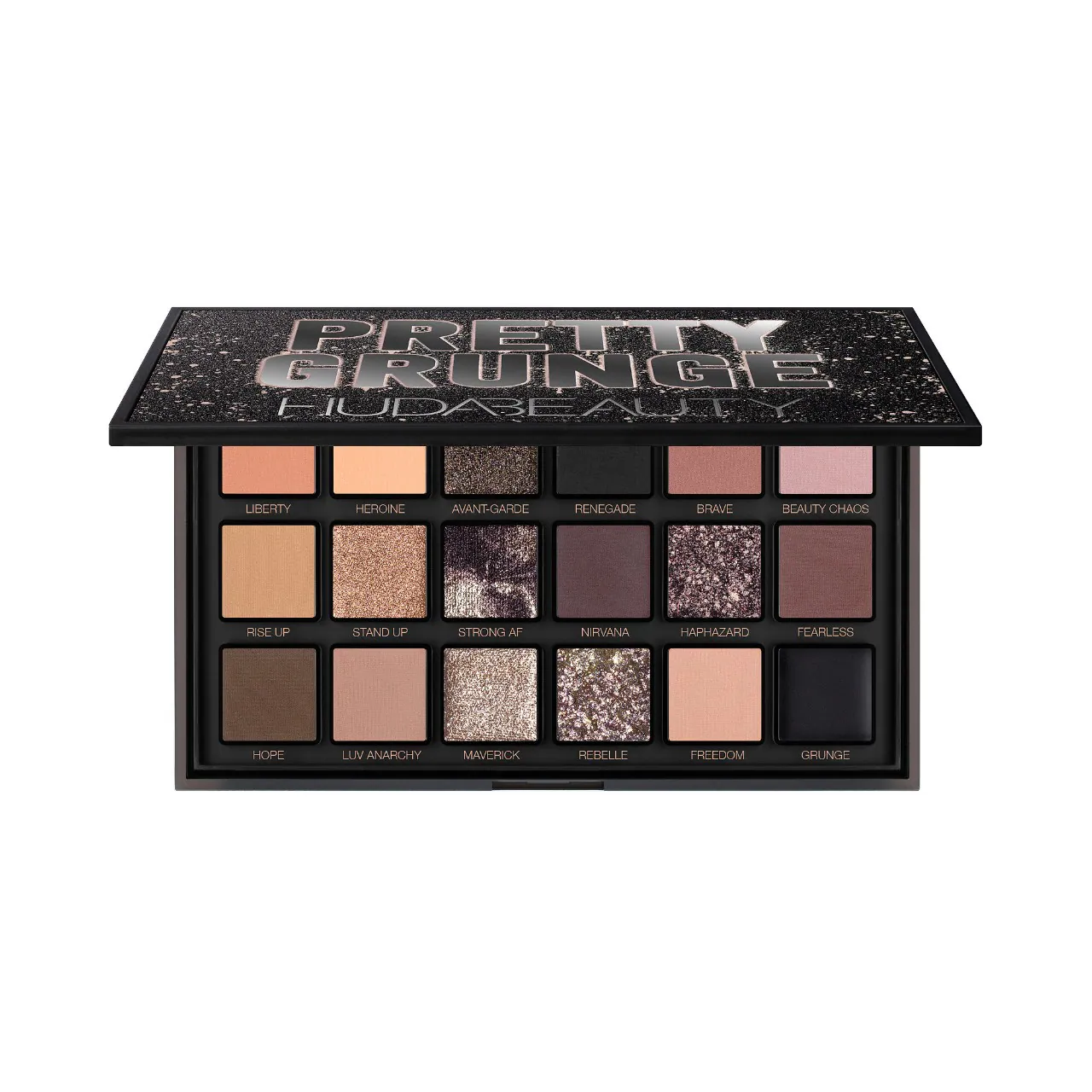
At Target specifically, I've noticed that the beauty department markdowns are usually fully processed by 9 AM on markdown days. Showing up at 8 means you might catch the team still working - but by 9, everything is tagged and ready.
Late Evening (7-9 PM): The Hidden Window
This is my second-favorite window. Stores are winding down, staff are starting end-of-day tasks, and you can take your time browsing without crowds. But the real reason I like evenings is that some stores do a second round of markdowns or put out new clearance items in the evening to be ready for the next morning.
At Walmart, I've found that evening stockers sometimes put out clearance items that weren't processed during the day. These sit untouched until the next morning's shoppers arrive.
Lunchtime (11 AM-1 PM): Avoid for Deals
The store is busy, the morning markdowns are picked over, and nothing new has been put out. This is fine for a quick planned purchase but not for deal discovery.
Where the Hidden Deals Live
Every store has patterns in where they place clearance and marked-down items. Once you learn the map, you can speed through the "hot zones" in 15 minutes and catch deals other shoppers miss.
Target
The "hidden" clearance endcaps: Everyone knows the main clearance section (usually near the back). But Target also has clearance endcaps scattered throughout the store. The ones in the back corners of the clothing sections and near the fitting rooms are the least-trafficked - and where I find the deepest discounts.
The beauty shelf bottoms: Target's beauty clearance doesn't always make it to the main clearance endcap. Look at the bottom shelves in the regular beauty aisles, especially near the pharmacy side. Full-size products end up here at 50-70% off and sit for days because nobody looks down.
The Bullseye section (Dollar Spot): Check this every visit. It's seasonal and rotates constantly. But the real trick: items here follow the same markdown schedule as the rest of the store. I've gotten $5 items for $0.50 during final markdown.
Electronics endcaps: Phone cases, headphones, and tech accessories go on clearance constantly. The endcap near the electronics counter is the spot - not the main tech aisle.
Walmart
The "Action Alley" endcaps: The wide main aisles (Walmart calls them "Action Alleys") have endcaps that rotate weekly. These often have unadvertised rollbacks that aren't in the app or on the website.
The pharmacy section clearance: Walmart's pharmacy/health section has its own clearance zone, usually a wire rack or shelf at the end of the aisle. Beauty products, personal care items, and seasonal health items end up here at deep discounts.
Seasonal aisles after holidays: The seasonal section in the middle of the store gets cleared out aggressively after each holiday. Valentine's Day candy at 90% off? It's on this aisle by February 16th.
Sephora
The "Beauty Offers" section near checkout: Sephora puts deluxe sample bundles, discontinued items, and value sets in a small display near the registers. Most shoppers are focused on the main floor and walk right past these.
The sale section (online in-store): Sephora's in-store sale section is smaller than online, but it exists. Ask an associate where it is - it's often tucked in a corner or near the back wall. The app shows online-only sale items, but the store sometimes has the same products at the same price without advertising them.
Rouge/VIB events: If you're a Sephora Insider (free to join), the seasonal 10-20% off sales are the time to stock up on full-price items you've been eyeing. I plan my big purchases around these events.
TJ Maxx / Marshalls
The back-left corner: In my experience, the deepest discounts live in the back-left area of the store. This is where managers tend to place final markdowns and yellow-tag clearance.
Tuesday morning arrivals: TJ Maxx and Marshalls restock most aggressively on Tuesdays and Wednesdays. The "new arrivals" racks near the entrance get the most attention - go straight to the back racks for the same quality items at deeper discounts.
The Scanner Trick
Most stores have price scanners at the end of aisles. Use them. Items sometimes ring up lower than the sticker price because a markdown was processed but the physical tag wasn't updated yet. I find "surprise" discounts this way at least once per shopping trip at Target.
The Target and Walmart apps also have barcode scanners. I scan anything that looks like it might be on clearance - the app sometimes shows a lower price than the shelf tag.
Building Your Deal-Hunting Routine
You don't have to spend hours in stores. My routine takes about 20-30 minutes per store:
- Walk the clearance hot zones first (5-10 min) - Hit the endcaps, back racks, and bottom shelves
- Check the Bullseye/Dollar section (2-3 min) - Quick scan for anything good
- Scan your planned purchases (5 min) - Check if anything on your list has a hidden markdown
- Browse the seasonal section (5 min) - Especially after holidays
- Checkout - Use your store loyalty app for extra points/offers
Do this on Tuesdays and Wednesdays, and you'll consistently find deals that never make it to deal websites or social media.
The Mindset Shift
The biggest difference between casual shoppers and deal finders isn't luck - it's pattern recognition. Once you understand that stores follow predictable cycles (markdowns on certain days, clearance in certain spots, seasons driving pricing), you start seeing deals everywhere.
The other key: don't buy something just because it's cheap. A great deal on something you won't use is just waste. My rule is: would I buy this at full price? If yes, finding it at 70% off is a genuine win. If no, leave it for someone else.